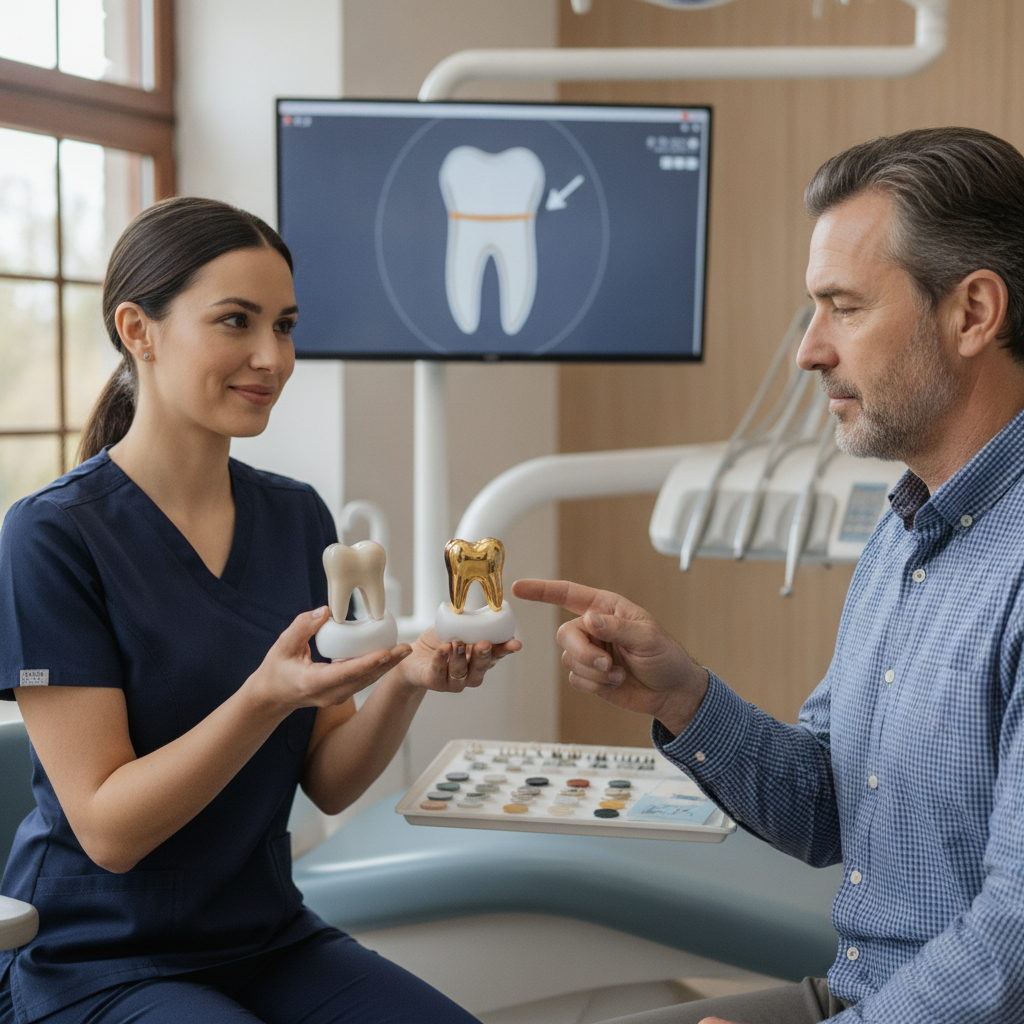
You’ve just been told a tooth needs a crown, and then comes the follow-up question: porcelain, ceramic, gold, or zirconia? Choosing the best material for dental crowns can feel like a lot of pressure when you’ve never thought about it before. At New Creation Dental Care in Lake St. Louis, MO, we help patients make that choice every week.
The right answer depends on where the tooth is, how hard you bite, and how much the look matters to you. Here’s a plain-language guide to your options.
What a Dental Crown Does
A crown, often called a cap, is a custom cover that fits over a damaged tooth. It restores the tooth’s shape, size, and strength and protects what’s left underneath. Crowns are common after large cavities, cracks and root canals, and they’re also used on top of dental implants.
Top Materials for Dental Crowns
Each crown material has its own strengths. Some are tougher, some look more natural, and some work better for people with sensitivities.
Porcelain Dental Crowns
Porcelain is a favorite for front teeth because it reflects light much like natural enamel. It can be shaded to match your other teeth closely. Porcelain isn’t as tough as metal, so it’s not always the first choice for someone who grinds or bites very hard.
Ceramic Dental Crowns
Modern ceramic crowns balance strength and appearance well, and they’re completely metal-free. That makes them a good option for people with metal allergies or anyone who wants a natural look on teeth that show when they smile.
Gold and Metal Alloy Crowns
Gold and other metal alloys are some of the strongest crown materials. They rarely chip, and they often need less of the natural tooth removed. Because they don’t look like natural teeth, they’re usually used on back molars that don’t show much.
Zirconia Crowns
Zirconia crowns combine impressive strength with a natural, tooth-colored look. Zirconia resists wear and is biocompatible, so allergic reactions are unlikely. It’s a popular choice for back teeth, implant restorations, and patients who want something that lasts.
How to Weigh Your Crown Options
A few questions can help narrow down the right material for your crown:
-
Durability: How much force does this tooth take, and do you clench or grind?
-
Cost: Materials vary in price, and your dental plan may cover some more than others.
-
Aesthetics: Is this a tooth people see when you talk and smile?
-
Allergies: Do you have any known metal sensitivities?
There’s rarely one perfect answer for everyone. A front tooth and a back molar in the same mouth may do best with different materials.
What Getting a Crown Is Like
Most crowns take two visits. At the first, the tooth is numbed, shaped, and measured, and you leave with a temporary crown. At the second, the final crown is checked for fit, color, and bite, then bonded in place. Many people are surprised by how routine it feels.
Caring for Your New Crown
A crown can’t get a cavity, but the tooth underneath still can. Brush twice a day, floss around the crown, and keep up with checkups. If you grind your teeth, ask about a night guard to protect your investment.
What Sets New Creation Dental Care Apart
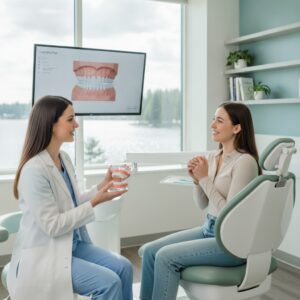
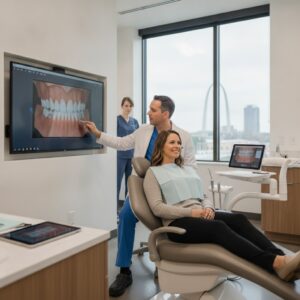
At New Creation Dental Care, we take a family-first approach and keep most of your care under one roof, from checkups and crowns to implants. We’ll explain your material options honestly, show you what we see on the screen, and help you choose what fits your mouth and budget.
FAQs About the Best Material for Dental Crowns
How long do dental crowns last?
Many crowns last 10 to 15 years, and with good care, they can last even longer.
Do crowns need special care?
Good brushing and flossing are the main things. Also avoid using your teeth as tools, like opening packages.
Can a crown be repaired if it’s damaged?
Small chips can sometimes be smoothed or repaired, but bigger damage usually means replacing the crown.
What material is best for front teeth?
Porcelain and ceramic are usually the top choices for front teeth because they look the most natural.
Is getting a crown painful?
The tooth is numbed first, so most people feel pressure rather than pain. Any soreness afterward is usually mild and short-lived.
A Crown That Feels Like Your Own Tooth
The right crown should look natural and let you chew without thinking about it. At our dentist’s office, we build each treatment plan around you. Schedule a visit with New Creation Dental Care to talk through the best material for dental crowns for your smile.