This post will explain the meaning of implants, who can get them, the basic risks and benefits, what to expect during treatment, and how to decide if implants are right for you. Read on for a clear, simple explanation of what dental implants are, the types available, what makes a good candidate, the step‑by‑step process, costs, and insurance basics, and practical next steps to learn more about implants’ meaning in Lake St. Louis.
What does “implants ” mean
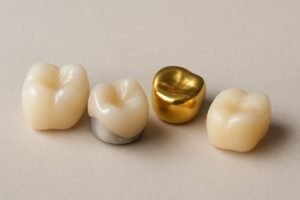
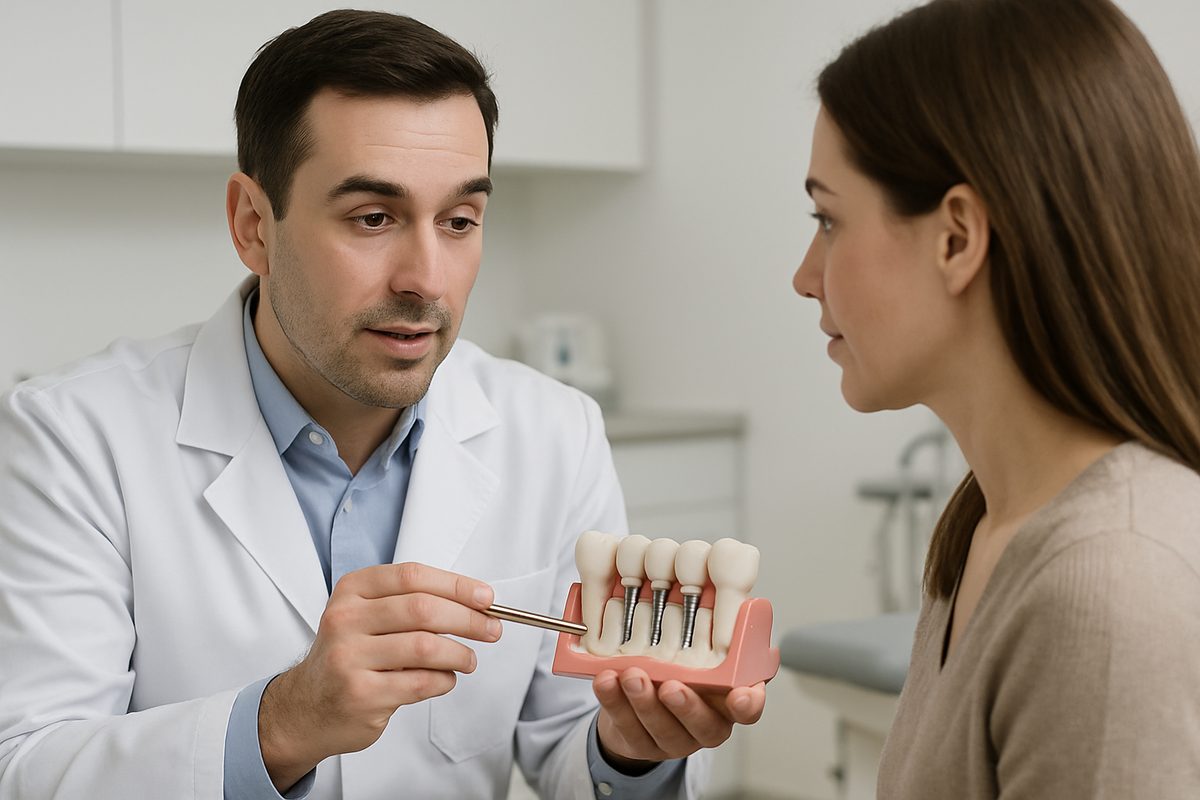
Dental implants are small titanium posts that replace tooth roots. A typical implant has three parts: the titanium post (root), an abutment (connector), and a crown (the visible tooth). Implants differ from bridges and dentures because they fuse to bone and act like natural roots, giving more stability. Common terms you’ll see include implant (the post), implant bridge (multiple teeth), and All‑On‑X (full‑arch implants).
Types of dental implants
Endosteal (most common)
Endosteal implants are placed directly into the jawbone. They work well for single‑tooth implants and for replacing several teeth with implant‑supported bridges. These are the most commonly used types because they suit most people with enough bone.
Subperiosteal and zygomatic implants (when bone is limited)
Subperiosteal implants sit on top of the jawbone under the gum when bone height is low. Zygomatic implants anchor into the cheekbone for people with severe upper jawbone loss. Dentists recommend these when standard implants aren’t possible without extensive grafting.
All‑On‑X and Teeth‑in‑a‑Day
All‑On‑X uses a few implants to support a full arch of teeth. Teeth‑in‑a‑Day or immediate‑load options let patients leave with fixed teeth the same day as surgery in some cases. These protocols speed up recovery and restore function quickly, but candidacy depends on bone health and planning.
Who makes a good candidate for implants?
Good candidates have enough bone or can have bone grafts, healthy gums, and manageable chronic conditions. Smoking, uncontrolled diabetes, and poor oral hygiene raise risk. Age alone isn’t a barrier. A dentist will assess you with an exam and imaging (CBCT or x‑rays) to confirm bone volume and plan treatment.
What to expect during the implant process
Consultation and planning
Expect imaging, a review of medical history, and a discussion of options and costs. Your dentist will create a personalized plan and explain whether grafting or additional steps are needed.
Surgery and healing
Surgery places the implant into the bone. Healing (osseointegration) usually takes a few months as the bone fuses to the implant. You may have mild swelling and soreness; pain control and short rest help. Temporary teeth may be used while healing finishes.
Maintenance
Care for implants by brushing, flossing, and attending dental checkups regularly. Implants don’t get cavities, but surrounding gum disease can cause problems. Regular cleanings and exams help implants last for decades.
Benefits and risks
Benefits
Implants offer stability, improved chewing, better speech, and bone preservation. They look and feel like natural teeth and can last many years with good care.
Risks and possible complications
Risks include infection, implant failure, and rare nerve or sinus issues. Choosing experienced clinicians and modern imaging lowers risks.
Cost and insurance basics
Cost depends on the number of implants, grafting, and the type of restoration. Insurance often covers part of crown or bridge work, but may limit implant coverage. Financing and payment plans are common options for managing costs.
How New Creation Dental Care approaches implants
New Creation Dental Care in Lake St. Louis offers implant solutions, including All‑On‑X and Teeth‑in‑a‑Day. The team uses advanced imaging, LANAP® and BLAST protocols, and personalized plans to improve outcomes and comfort. Their approach combines experience, technology, and a family‑first environment.
How to decide if implants are right for you
Ask your dentist: Am I a candidate? Do I need grafting? What are the timelines and costs? Get imaging and at least one detailed treatment plan. Red flags: vague timelines, no imaging, or promises of guaranteed outcomes without a full exam. To learn the meaning of implants in Lake St. Louis for your situation, schedule a consult and get a personalized evaluation.