Dental implants have become a leading option for people seeking a durable, natural-looking replacement for missing teeth. At New Creation Dental Care in Lake St. Louis, near O’Fallon, MO, Dr. Matthew Boscia provides personalized implant treatment designed to restore the appearance, comfort, and function of a patient’s smile.
But how do dental implants work, and what should you expect from the treatment process? Below, we explain the structure of an implant, its potential benefits, the steps involved in treatment, and how to determine whether implants may be right for you.
What Is a Dental Implant?
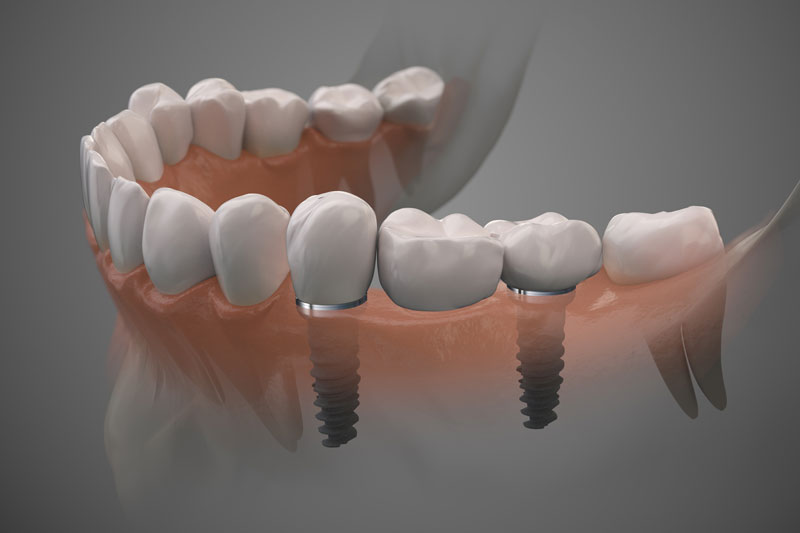
A dental implant is a tooth-replacement system designed to replace both the visible portion of a missing tooth and its root. A typical implant restoration consists of three components:
- Implant post: A small, biocompatible titanium post placed in the jawbone
- Abutment: A connector that attaches the implant post to the restoration
- Dental crown: A customized replacement tooth designed to complement the surrounding smile
Once restored, the implant is designed to look and function much like a natural tooth. Depending on a patient’s needs, implants may be used to replace one tooth, several teeth, or an entire dental arch.
Learn more about the implant options available on our dental implants page.
How Do Dental Implants Work?
The stability of a dental implant comes from a biological process called osseointegration. After the titanium implant post is positioned in the jaw, the surrounding bone gradually heals and bonds with its surface.
This integration allows the implant to function as a secure foundation for a crown, bridge, or full-arch restoration. Because the implant is anchored in the jaw rather than resting on top of the gums, it is designed to remain stable while the patient speaks and chews.
Careful planning is essential. Before treatment, the dentist evaluates the volume and quality of the patient’s bone and identifies the location of nearby anatomical structures. Digital imaging may be used to help plan the implant’s position and determine whether preparatory treatment is necessary.
What Are the Benefits of Dental Implants?
Dental implants can provide functional, cosmetic, and oral-health benefits. Although every patient’s experience is different, potential advantages include the following.
Improved Chewing Function
A stable implant restoration may make it easier to bite and chew a wider variety of foods. Unlike removable appliances, implant-supported teeth are anchored to the jaw and are not designed to shift during normal use.
A Natural-Looking Smile
The crown or prosthesis attached to an implant is customized for the patient. Its shape, proportions, and appearance can be planned to blend with the surrounding teeth and facial features.
Support for the Jawbone
Natural tooth roots stimulate the jawbone. When a tooth is lost, the bone in that area may gradually diminish. Because an implant transfers chewing forces into the jaw, it may help maintain bone in the area where the tooth was lost.
Protection for Neighboring Teeth
A traditional tooth-supported bridge often requires the teeth next to an open space to be reshaped. A single dental implant may replace the missing tooth without relying on adjacent healthy teeth for support.
Stability and Comfort
Implant restorations are designed to remain secure without removable adhesives. This stability can help patients feel more comfortable when eating, speaking, laughing, and smiling.
Convenient Daily Care
A single implant crown can generally be brushed and cleaned similarly to a natural tooth. Implant-supported bridges and full-arch restorations may require additional cleaning tools or techniques, which the dental team will explain.
Who Is a Candidate for Dental Implants?
Many adults with one or more missing or non-restorable teeth may be considered for implant treatment. However, candidacy can only be determined after a comprehensive examination.
Factors the dentist may evaluate include:
- The number and location of missing teeth
- Jawbone volume and density
- Gum health
- Overall health and medical history
- Current medications
- Tobacco use
- Oral-hygiene habits
- The patient’s goals and expectations
Conditions such as active gum disease may need to be addressed before implant placement. Patients who have experienced bone loss may also require bone grafting or another preparatory procedure.
Even if you have previously been told that you do not have enough bone for implants, advances in treatment planning may provide additional possibilities. New Creation Dental Care also offers an advanced laser-assisted implant protocol for certain complex cases.
What Happens During the Dental Implant Process?
The exact timeline varies according to the patient’s health, bone condition, number of implants, and type of restoration. In general, dental implant treatment includes several stages.
1. Consultation and Examination
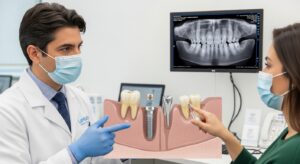
The process begins with a consultation. Dr. Boscia will review your dental concerns, health history, current medications, and treatment goals. Your examination may include digital X-rays or three-dimensional imaging to evaluate the jawbone and surrounding structures.
This information is used to determine whether an implant is appropriate and to develop a personalized treatment plan.
2. Preparatory Treatment, When Necessary
Some patients can proceed directly to implant placement. Others may require treatment beforehand, such as:
- Removal of a damaged or infected tooth
- Bone grafting
- Treatment for gum disease
- Management of an existing oral infection
Completing these procedures can help establish a healthier and more stable foundation for the implant.
3. Implant Placement
During implant surgery, the titanium post is carefully positioned in the jawbone. Local anesthesia is used to numb the treatment area, and additional comfort or sedation options may be discussed when appropriate.
After placement, the implant site is allowed to heal. Instructions will be provided regarding eating, cleaning the area, managing temporary discomfort, and protecting the surgical site.
4. Healing and Osseointegration
Over the following weeks or months, the jawbone heals around the implant. The length of this stage depends on the location of the implant, bone quality, general health, and whether additional procedures were performed.
A temporary tooth or prosthesis may be available during healing, depending on the individual treatment plan.
5. Placement of the Final Restoration
After the implant has achieved sufficient stability, the abutment and customized final restoration are attached. The dentist evaluates the fit, bite, appearance, and comfort before treatment is completed.
Can Dental Implants Replace All Your Teeth?
Yes. Implant-supported restorations may be used when most or all teeth in an arch are missing or cannot be predictably saved. Instead of placing an individual implant for every tooth, a carefully selected number of implants can support a complete fixed bridge.
This treatment may provide greater stability than a conventional removable denture and can restore a patient’s ability to eat, speak, and smile with greater confidence.
Explore treatment for extensive tooth loss on our full-mouth dental implants page.
How Long Do Dental Implants Last?
Dental implants are intended to provide a long-term tooth-replacement solution, but their lifespan varies. Implant longevity may be influenced by oral hygiene, gum health, bite forces, tobacco use, medical conditions, and attendance at regular dental visits.
The implant post and the visible restoration should also be considered separately. Although an integrated implant post may remain stable for many years, the crown or bridge attached to it can experience normal wear and may eventually need repair or replacement.
How Should You Care for Dental Implants?
Dental implants cannot develop cavities, but the gum and bone surrounding them still require consistent care. Inflammation or infection around an implant can threaten its long-term stability.
Patients should generally:
- Brush at least twice daily
- Clean around and between implant restorations every day
- Use floss, interdental brushes, or a water flosser as directed
- Attend regular professional examinations and cleanings
- Avoid tobacco products
- Wear a nightguard when recommended for clenching or grinding
- Contact the dental office if an implant feels loose or uncomfortable
Ongoing preventive visits allow the dental team to monitor the implant, surrounding gums, bite, and restoration. New Creation Dental Care also provides comprehensive family and preventive dentistry to help patients maintain their natural teeth and restorations.
Does Getting a Dental Implant Hurt?
The implant placement area is numbed before the procedure, so patients should not feel sharp pain during surgery. Some soreness, swelling, bruising, or tenderness may occur afterward, but these effects are usually temporary.
Dr. Boscia and the New Creation Dental Care team provide detailed instructions to support healing and help patients manage postoperative symptoms. The experience and recovery period vary according to the extent of treatment and the patient’s individual health.
Patients who feel nervous about dental treatment are encouraged to discuss their concerns during the consultation. The team can explain each stage in advance and review available comfort options.
Why Choose Dr. Matthew Boscia for Dental Implants Near O’Fallon, MO?
The outcome of implant treatment depends on careful diagnosis, surgical planning, restorative design, and long-term maintenance. Dr. Matthew Boscia, founder of New Creation Dental Care, has more than 20 years of dental experience and advanced implant training through the Misch Implant Institute.
Dr. Boscia takes a consultative, patient-centered approach. He explains the available options, discusses the advantages and limitations of each treatment, and helps patients make informed decisions based on their health, priorities, and budget.
At New Creation Dental Care, implant services are supported by modern technology, personalized planning, and a compassionate team. The practice is located in Lake St. Louis and welcomes patients from O’Fallon and surrounding communities.
Learn more about the practice’s philosophy, technology, and team on our About Us page.
Frequently Asked Questions About Dental Implants
What is a dental implant?
A dental implant is a titanium post placed in the jawbone to support a replacement tooth or dental prosthesis. It functions as an artificial tooth root and may support a crown, bridge, or full-arch restoration.
How long does the dental implant process take?
The full process may take several months because the implant needs time to integrate with the jawbone. Treatment may take longer when tooth extraction, bone grafting, or gum treatment is required. Some patients may qualify for an immediate or same-day temporary restoration.
Can I get a dental implant immediately after an extraction?
In some cases, an implant can be placed at the same appointment as a tooth extraction. Immediate placement depends on the amount of available bone, the condition of the extraction site, the presence of infection, and the implant’s initial stability.
Do I need a bone graft before getting an implant?
Not every patient needs bone grafting. A graft may be recommended when the jaw does not have enough healthy bone to support the planned implant. Imaging and a clinical examination are needed to determine whether grafting is appropriate.
Are dental implants better than dentures?
Neither option is best for every patient. Implants generally provide greater stability and stimulate the jawbone, while removable dentures may involve less surgery and a lower initial cost. The right choice depends on oral health, anatomy, preferences, and budget.
Can smokers receive dental implants?
Smokers may still be evaluated for implants, but tobacco use can interfere with healing and increase the risk of complications. Patients should discuss smoking or nicotine use honestly with their dentist before treatment.
Can dental implants get cavities?
The implant and its restoration cannot develop a cavity. However, plaque can still cause inflammation and bone loss in the tissues around the implant, making daily cleaning and professional maintenance essential.
How much do dental implants cost?
The cost depends on the number of implants, type of restoration, diagnostic imaging, preparatory procedures, sedation needs, and complexity of treatment. A personalized estimate can be provided after an implant consultation.
Schedule a Dental Implant Consultation Near O’Fallon, MO
If missing or failing teeth are interfering with your comfort, diet, or confidence, a dental implant consultation can help you understand your options. Dr. Boscia will evaluate your oral health, review the findings with you, and develop a treatment plan based on your individual needs.
New Creation Dental Care is conveniently located at 15 Lakeside Drive, Suite A, in Lake St. Louis, MO, serving patients from O’Fallon and nearby communities.
Contact New Creation Dental Care to schedule your dental implant consultation and take the next step toward restoring a comfortable, confident smile.