Planning for dental implants can feel overwhelming. This guide walks you through how to prepare before, during, and after implant surgery, and explains cost, insurance, and financing for dental implants near Lake St. Louis, MO.
Read on for clear steps you can take now to make the process smoother and protect your long-term results.
How to Prepare for Dental Implants: Before, During, and After
Before the procedure: medical review and imaging
Start by sharing a complete medical history with your dentist. Include current medications, supplements, bleeding disorders, diabetes, heart conditions, and whether you smoke. Smoking raises the risk of implant failure. Your dentist needs to know about past head, neck, or jaw radiation and any allergies to medications.
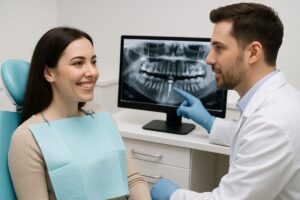
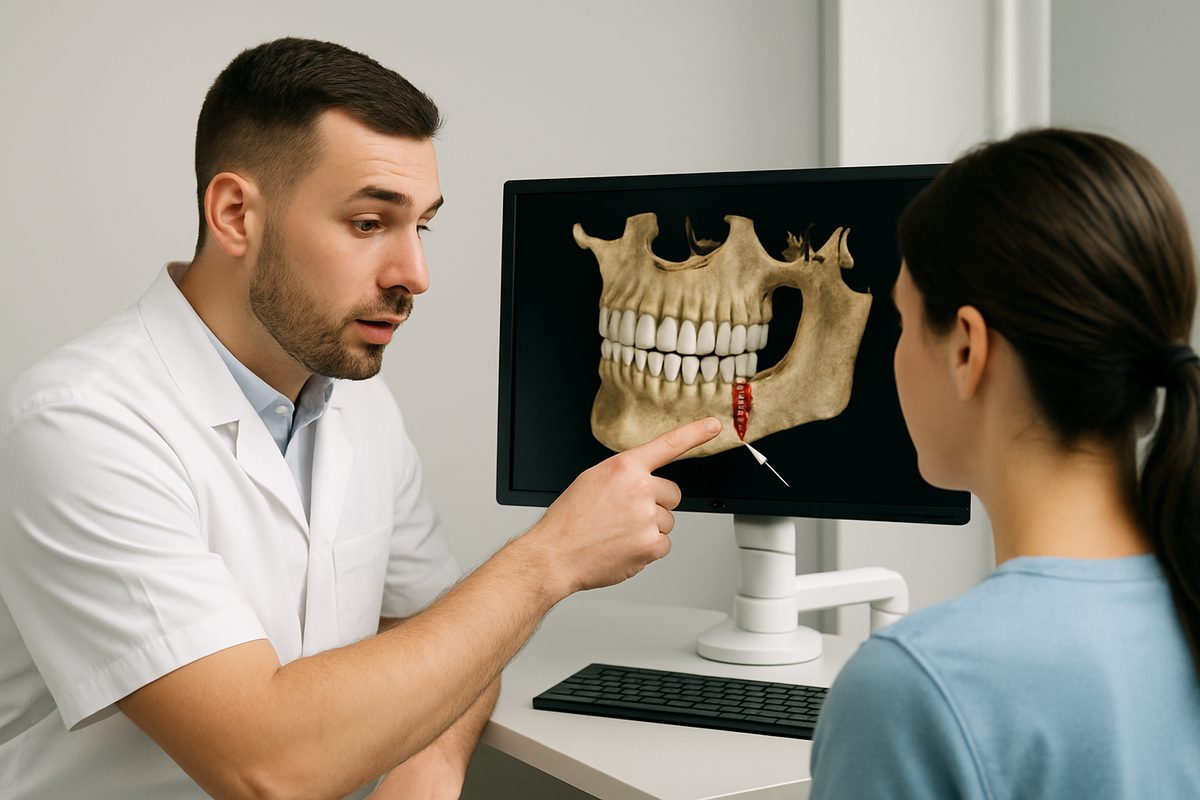
Modern implant planning relies on CBCT (3D) imaging and digital scans. A CBCT scan shows bone height, width, and nerve locations, allowing the team to plan implant positions safely. The scan also reveals whether you need bone grafting or a sinus lift before implants can be placed.
Day of surgery: anesthesia, what to expect, and immediate tips
Implant procedures use different levels of anesthesia: local anesthesia, oral sedatives, nitrous oxide, or IV sedation. Your dentist will recommend an option based on your health and anxiety level. Typical appointments range from 1 to 3 hours, depending on the number of implants placed and whether extractions or grafts are performed.
On the day of surgery:
- Bring a list of medications and a responsible driver if you’ll be sedated.
- Wear comfortable clothing and refrain from wearing heavy makeup or jewelry.
- Expect the surgeon to review the treatment plan, numb the area, place the implants, and fit a temporary restoration if part of your plan.
Recovery and home care after dental implants
Swelling and some discomfort are normal for a few days. Follow prescriptions and over‑the‑counter pain relief instructions closely. Use cold packs for the first 48 hours to reduce swelling. Keep your head elevated when resting.
Diet progression usually moves from liquids and soft foods to firmer foods over 1–2 weeks. Avoid crunchy or sticky foods while your implants are healing. Modify oral hygiene by gently rinsing with salt water starting the day after surgery and brushing nearby teeth carefully. Your dentist will tell you when to resume normal brushing and flossing around the implant.
Typical follow-up visits occur within 1 week, at 2–3 weeks if sutures need to be removed, and then at intervals over the next few months to monitor healing and place the final prosthesis.
When to call your dentist: warning signs and routine checkups
Contact your dentist right away if you notice any red flags:
- Fever over 100.4°F or chills
- Heavy or nonstop bleeding
- Severe pain not eased by medication
- Swelling that worsens after 72 hours or spreads to the neck/eyes
- Pus, a bad taste, or loose implant/restoration
After healing, routine implant checkups are typically scheduled every 6 months or as recommended by your dentist. Regular exams and cleanings protect gum health around implants and catch problems early.
Cost, Insurance, and Financing Options for Dental Implants Near Lake St. Louis, MO
What factors drive the cost of dental implants
The final price for dental implants depends on several variables. These include how many implants you need, whether extractions are required, and if bone grafting or a sinus lift is necessary. The brand and type of implant, the lab fees for crowns or bridges, and whether you choose an immediate temporary restoration (teeth-in-a-day) all affect cost. Complex full‑mouth reconstructions or All‑On‑X solutions are higher than single-tooth implants because they involve more materials and lab work.
Insurance coverage realities for dental implants
Many dental plans limit or exclude coverage for dental implants. Some plans may cover related services—such as extractions, imaging, or portions of the restoration—but not the implant fixture itself. Always call your insurer and ask about specific CPT or CDT codes for each part of the treatment. Request a pre-treatment estimate so you know what to expect.
Financing options and making dental implants affordable
There are several ways to make dental implants more affordable for patients, considering dental implants in Lake St. Louis, MO:
- In-office payment plans that spread costs over several months
- Third‑party medical/dental financing companies and CareCredit
- Using HSA or FSA funds for eligible dental expenses
- Comparing quotes and asking about phased treatment to spread costs
How to get a clear estimate
Get a personalized, itemized estimate by scheduling a consultation and a 3D CBCT scan. A proper plan outlines each component, including implant fixtures, abutments, temporary and final restorations, bone grafts, and follow-up care. Ask about warranties, what’s included in the price, and whether adjustments or repairs are covered after placement.
New Creation Dental Care in Lake St. Louis blends advanced implant technology with a family-first approach. Dr. Matthew Boscia and Dr. Krance offer solutions such as All-On-X, teeth-in-a-day, and laser gum therapy, utilizing state-of-the-art imaging and sedation options to enhance comfort and predictability. If you’re exploring dental implants in Lake St. Louis, MO, their team can create a personalized plan and provide a clear, itemized estimate after a consultation and 3D scan.
![{"error":"[GoogleGenerativeAI Error]: Error fetching from https://generativelanguage.googleapis.com/v1beta/models/gemini-2.0-flash:generateContent: [429 Too Many Requests] Resource exhausted. Please try again later. Please refer to https://cloud.google.com/vertex-ai/generative-ai/docs/error-code-429 for more details."}](https://www.newcreationdentalcare.com/wp-content/uploads/2026/02/featured-image-9e62ccad-300x200.jpg)