Dental implants last 15–25 years or longer, and with proper care the implant body can last a lifetime. Dental implants replace tooth roots and support crowns or dentures. Lifespan varies because the metal implant, the abutment, and the visible crown wear differently and are affected by oral health, bone quality, and lifestyle.
What Are Dental Implants?
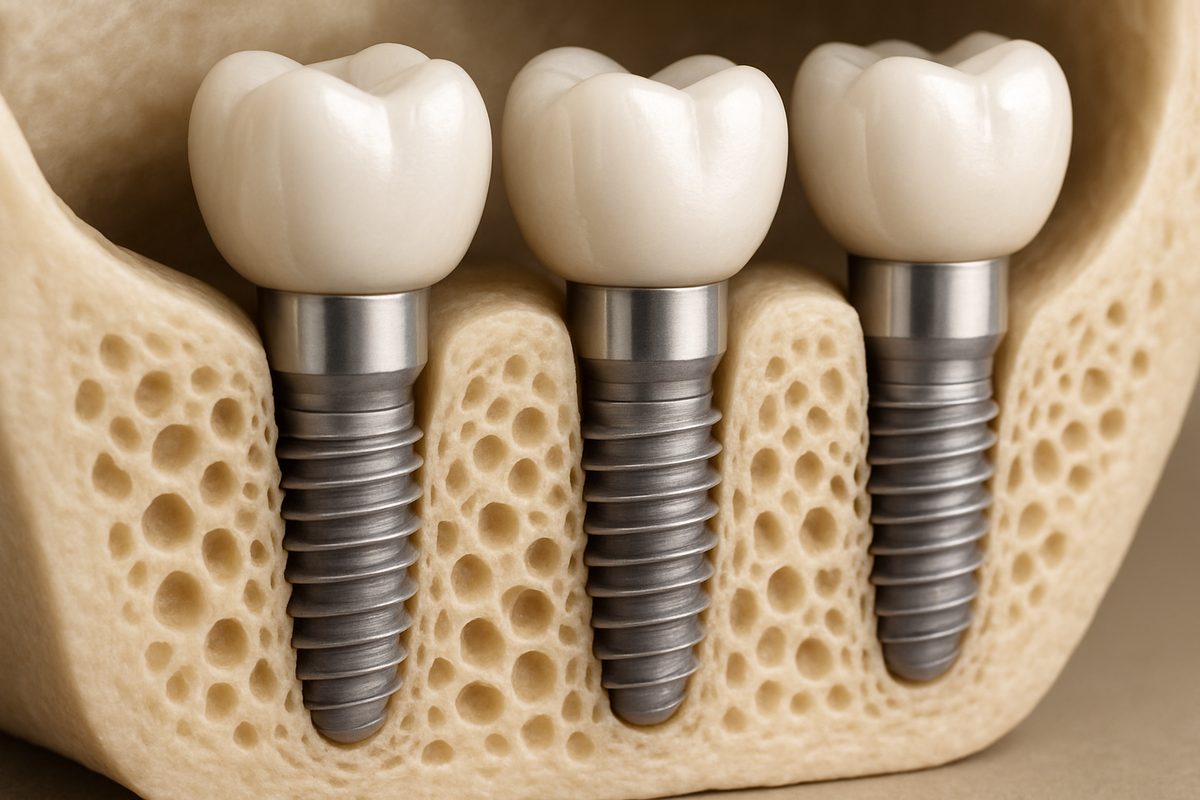
A dental implant is a small titanium or zirconia post placed into the jawbone to act as a tooth root. An abutment connects the implant to a crown, bridge, or denture. Crowns are usually made from porcelain or zirconia. Modern materials and digital planning enable implants to be strong and natural-looking, and they integrate with bone through a process called osseointegration.
How Long Do Implants Last: Typical Lifespan
When people ask how long implants last in Lake St. Louis, they often refer to two aspects: the implant body and the prosthetic crown. The implant post itself can last decades or a lifetime if it stays healthy in the bone. Crowns and abutments typically last 10–15 years before they may need replacement due to wear, breakage, or aesthetic changes. Many patients receive 15–25 years or more of overall service from their implant restorations with routine care.
Key Factors That Affect Implant Longevity
Oral hygiene and maintenance
Daily brushing, flossing, and cleaning under and around implant restorations reduces bacteria and inflammation. Regular professional cleanings and checkups help identify early problems before they become major issues.
Bone quality and gum health
Good jawbone density and healthy gums are essential. If bone has resorbed after tooth loss or gum disease is present, additional procedures like bone grafting or gum therapy may be needed to secure long-term success.
Medical and lifestyle factors
Smoking, uncontrolled diabetes, and grinding or clenching teeth (bruxism) increase risk of implant complications. Addressing these risks improves outcomes.
Placement and restorative quality
Accurate surgical planning, proper implant size and position, and high-quality crowns and abutments all affect durability. Experience and modern imaging reduce the chance of complications.
How To Make Implants Last Longer
Daily care tips
Brush twice daily with a soft brush, clean between teeth and implants with floss or interdental brushes, and avoid chewing very hard objects. Using antimicrobial rinses when recommended can help.
Professional follow-up
Keep regular dental visits for exams, cleanings, and periodic x-rays. Early detection of bone loss or gum inflammation allows quick treatment.
Risk management
Quit smoking, keep medical conditions like diabetes under control, and use a night guard if you grind your teeth to protect implant restorations.
Signs An Implant Needs Attention
Watch for pain, any mobility, persistent swelling, pus, or receding gums around the implant. If you notice these signs, call your dentist promptly to reduce the chance of failure.
Implants Compared To Bridges And Dentures
Implants preserve bone and feel more like natural teeth. Bridges may need adjacent teeth to be altered and can last 7–15 years. Dentures are less costly upfront but require more maintenance and do not prevent bone loss. Over time implants often provide better value due to durability and oral health benefits.
About New Creation Dental Care’s Implant Options
New Creation Dental Care in Lake St. Louis offers All‑On‑X, Teeth‑in‑a‑Day, advanced imaging, LANAP®, and the BLAST protocol to support predictable implant placement. Their team focuses on long-term success using modern technology and personalized care.
Next Steps: Is an Implant Right for You?
If you want to know how long do implants last teeth for your situation, schedule a consultation to review your health, imaging, and options. New Creation offers financing and advanced anxiety and pain‑control options to make treatment more accessible. Call or book online to get a personalized plan.